

CSS图片边框:设计技巧与实现方法
一、引言
在网页设计中,图片边框是提升视觉层次与内容表现力的关键元素。合理运用CSS图片边框,既能作为内容的视觉焦点,又能通过边框样式的变化增强页面的交互体验。本文将从基础样式到高级效果,系统讲解CSS图片边框的实现技巧与最佳实践。
二、基础边框样式
2.1 基本边框属性
CSS通过border属性快速定义图片边框,支持宽度、样式和颜色的组合设置:
/* 基础边框示例 */
.image-basic {
  border: 2px solid #333;   /* 宽度2px,实线,深灰色 */
  border-radius: 8px;      /* 圆角处理,增强柔和感 */
  padding: 10px;           /* 边框与图片间距 */
}
2.2 多样化边框样式
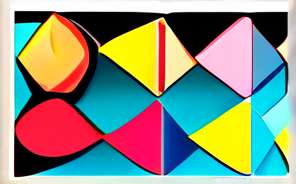
通过border-style可实现不同视觉效果:
/* 虚线边框 */
.image-dashed {
  border: 1px dashed #666;
  border-radius: 4px;
}

/* 点线边框 */
.image-dotted {
  border: 1px dotted #999;
  border-radius: 6px;
}

/* 双线边框 */
.image-double {
  border: 3px double #444;
  border-radius: 10px;
}
三、高级边框效果
3.1 渐变边框
利用border-image实现渐变边框,突破传统纯色限制:
/* 线性渐变边框 */
.image-gradient {
  border: 8px solid transparent;  /* 透明占位边框 */
  border-image:
    linear-gradient(to right, #ff6b6b, #4ecdc4) 1; /* 渐变方向与颜色 */
  border-radius: 12px;
}

/* 径向渐变边框 */
.image-radial {
  border: 6px solid transparent;
  border-image:
    radial-gradient(circle at top left, #ffd166, #06d6a0) 1;
  border-radius: 16px;
}
3.2 多层边框
通过伪元素叠加实现多层边框效果:
/* 多层边框示例 */
.image-multi {
  position: relative;
  width: 200px;
  height: 200px;
  overflow: hidden;
}

.image-multi::before,
.image-multi::after {
  content: '';
  position: absolute;
  border: 2px solid;
  border-radius: 12px;
}

.image-multi::before {
  top: -5px; left: -5px; right: -5px; bottom: -5px;
  border-color: #4ecdc4; /* 外层边框 */
}

.image-multi::after {
  top: -3px; left: -3px; right: -3px; bottom: -3px;
  border-color: #ff6b6b; /* 内层边框 */
}
四、不规则形状边框
4.1 多边形边框
使用clip-path裁剪不规则边框:
/* 多边形边框示例 */
.image-polygon {
  width: 100%;
  height: auto;
  border-radius: 10px;
  clip-path: polygon(
    0 10px,   /* 左上角 */
    100% 0,   /* 右上角 */
    100% calc(100% - 10px), /* 右下角 */
    calc(100% - 10px) 100%, /* 底部左侧 */
    0 100%    /* 左下角 */
  );
  border: 2px solid #444;
}
4.2 SVG边框
复杂形状可借助SVG实现:
/* SVG边框示例 */
.image-svg {
  width: 100%;
  height: auto;
  border: 1px solid transparent;
  background-image: url("data:image/svg+xml,%3Csvg xmlns='http://www.w3.org/2000/svg' viewBox='0 0 100 100'%3E%3Cpath d='M10,10 L90,10 L90,90 L10,90 Z' fill='none' stroke='%234ecdc4' stroke-width='2'/%3E%3C/svg%3E");
  background-origin: border-box;
  background-clip: border-box;
}
五、响应式图片边框
5.1 媒体查询适配
根据屏幕尺寸动态调整边框:
/* 响应式边框示例 */
.image-responsive {
  border: 2px solid #333;
  border-radius: 8px;
  width: 100%;
  height: auto;
}

/* 小屏幕设备 */
@media (max-width: 768px) {
  .image-responsive {
    border-width: 1px;        /* 缩小边框宽度 */
    border-radius: 4px;       /* 减小圆角 */
  }
}

/* 移动端 */
@media (max-width: 480px) {
  .image-responsive {
    border: 1px dashed #666; /* 切换为虚线 */
  }
}
六、实际应用场景
6.1 卡片设计中的边框
<!-- 卡片布局示例 -->
<div class="card">
  <img src="example.jpg" alt="示例图片" class="card-image">
  <div class="card-content">
    <h3>标题</h3>
    <p>内容描述...</p>
  </div>
</div>

<style>
.card {
  width: 300px;
  margin: 20px auto;
  padding: 15px;
  border: 1px solid #eee;
  border-radius: 10px;
  box-shadow: 0 2px 8px rgba(0,0,0,0.1);
}

.card-image {
  width: 100%;
  height: auto;
  border: 2px solid #4ecdc4;
  border-radius: 8px;
}
</style>
6.2 图片画廊边框
/* 画廊边框效果 */
.gallery {
  display: grid;
  grid-template-columns: repeat(auto-fit, minmax(200px, 1fr));
  gap: 20px;
  padding: 20px;
}

.gallery-item {
  position: relative;
  overflow: hidden;
}

.gallery-item img {
  width: 100%;
  height: 180px;
  object-fit: cover;
  border: 2px solid transparent;
  transition: border-color 0.3s ease;
}

.gallery-item:hover img {
  border-color: #4ecdc4; /*  hover时边框变色 */
}
七、最佳实践与注意事项
- 性能优化:避免多层边框或复杂渐变影响页面加载速度,优先使用基础边框属性。
- 可访问性:确保边框颜色与背景有足够对比度,符合WCAG标准。使用
border-color时,避免纯黑/纯白与浅色背景搭配。 - 兼容性:使用
border-image时,可通过@supports特性查询提供降级方案:@supports not (border-image: linear-gradient(red, blue) 1) { .fallback-image { border: 2px solid #4ecdc4; } } - 语义化:边框仅用于视觉增强,不替代语义化HTML结构(如
<figure>标签)。
八、总结
CSS图片边框不仅是简单的样式元素,更是网页视觉设计的重要组成部分。通过掌握基础属性、渐变效果、不规则形状等技巧,开发者可创造出丰富多样的边框样式,提升页面的专业性与用户体验。合理运用响应式设计与最佳实践,能确保边框效果在各类设备上稳定呈现,为网页内容增添层次感与艺术感。
在实际开发中,建议优先考虑性能与可访问性,结合项目需求灵活选择边框方案,让图片边框真正成为
文章版权声明:除非注明,否则均为Dark零点博客原创文章,转载或复制请以超链接形式并注明出处。





还没有评论,来说两句吧...